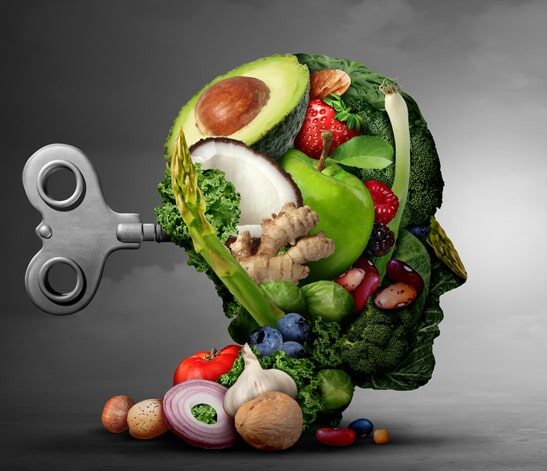
May is Mental Health Awareness Month: Let’s Talk About the Food-Mood Connection
May is Mental Health Awareness Month—a time to raise awareness, break the stigma, and open the conversation around mental wellness. Your lifestyle is a BIG contributor to how you feel and nutrition can make a huge difference in how we feel on a day to day basis.
Yes—what you eat directly impacts how you think, feel, and function.
As a gut health expert and registered dietitian, I’ve seen firsthand how dietary changes can improve not just digestion, but energy, mood, and mental clarity. Let’s dive into how nutrition and gut health play a major role in supporting your mental health—and how you can start nourishing your mind from the inside out.
🧠 The Food-Mood Connection
Your brain and body are in constant communication, and the food you eat provides the fuel that powers that system. Certain nutrients are essential for brain function and emotional balance, including:
- Omega-3 fatty acids – Found in fatty fish, walnuts, and flaxseeds, these support brain health and may reduce symptoms of depression.
- B Vitamins – Especially B6, B12, and folate, which are critical for neurotransmitter production. You’ll find them in leafy greens, eggs, beans, and whole grains.
- Magnesium – Known to help with anxiety and mood regulation. Try leafy greens, nuts, seeds, and dark chocolate.
- Protein – Contains amino acids that build neurotransmitters like serotonin and dopamine, your body’s natural feel-good chemicals.
Eating a nutrient-dense, balanced diet helps stabilize blood sugar, reduce inflammation, and support steady energy—all of which play a role in emotional well-being.
🌱 Gut Health & Mental Health: The Gut-Brain Axis
Did you know your gut is often referred to as your second brain?
Your gut and brain are connected through a complex system known as the gut-brain axis. The microbes living in your digestive tract (your gut microbiome) produce neurotransmitters like serotonin, dopamine, and GABA—chemicals that play a huge role in regulating mood and anxiety.
An imbalanced gut can lead to inflammation and poor communication along the gut-brain axis, which has been linked to symptoms of anxiety, depression, and even brain fog.
Supporting your gut through nutrition can lead to major mental health benefits.
🌟 How to Nourish Your Gut—and Your Mind
If you want to support both your digestive and mental health, here are a few simple strategies to get started:
- Eat more fiber – Especially from fruits, vegetables, beans, and whole grains. Fiber feeds your good gut bacteria.
- Include fermented foods – Like yogurt, cheeses and kefir-fermented dairy foods are an especially good source of live microbes.
- Limit added sugar and ultra-processed foods – These can disrupt gut health and lead to energy crashes and mood swings.
- Stay hydrated – Your brain needs water to function, and so does your gut.
- Prioritize sleep and stress management – Both heavily influence the health of your gut microbiome.
💬 You’re Not Alone—and You Don’t Have to Do This Alone
If you’ve been struggling with your mood, stress, or digestion, you’re not alone—and food can be part of your healing journey. As a gut health expert, I specialize in helping clients connect the dots between what they eat and how they feel.
Whether you’re dealing with brain fog, anxiety, low energy, or simply want to support your mental wellness naturally, I’m here to help you create a personalized nutrition plan that works for your body and your lifestyle.
Let’s Work Together
This May, let’s honor Mental Health Awareness Month by giving our minds—and our guts—the care they deserve. You don’t need to figure it all out on your own. Together, we can build sustainable habits that support both your mental and digestive health.