September is here, and for many families, that means it is time to get back to school. It may also mean it’s time to get back into your daily health and wellness routine to support good gut health.
The foods you eat play a pivotal role in the quest for health and wellness and optimal gut health. Incorporating superfoods into your diet can provide the essential nutrients your gut needs to function at its best. Our children need to properly fuel their bellies and brains for successful academic performance and to support their gut health. How can we achieve that? Read on for some superfoods that you can easily include in their lunchbox.
What Are Superfoods?
While there isn’t a scientific consensus on the definition of a superfood, it can be most simply defined as a food that is particularly rich in a nutrient such as fiber.[1] [2] [3] Superfoods are abundant in nature and can be considered nutrient-dense foods full of essential vitamins, minerals, antioxidants, and fiber that can help support your health.
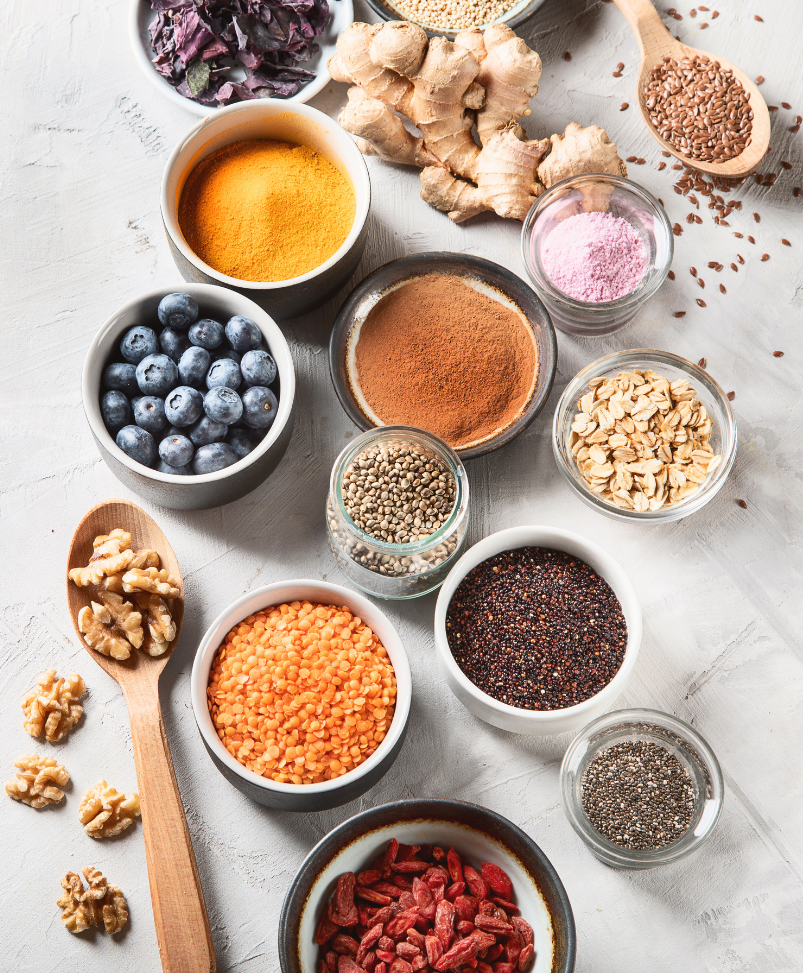
Although it’s a bit of a buzzword, that doesn’t mean superfoods don’t exist. Imagine a colorful plate filled with juicy berries, vibrant greens, crunchy nuts and seeds, wholesome whole grains, and protein-packed legumes. Each one of these superfoods can contribute to a balanced diet, help fuel your body, and may support longevity.
However, it’s important to note that although they’re super, they’re not all-powerful. No single food item can offer all the nutrients and benefits you need in one go. The key to eating healthy is making all your foods super with a diversity of food groups and types.[4] [5]
Superfoods for Gut Health
But what foods and what types? Well, there are a ton of “superfoods” out there that, as part of a diverse diet, can help improve your health and well-being. But the superfoods on this list deserve special recognition for supporting your gut. That’s right, this is a list of my favorite superfoods for digestive health:
1. Berries
Berries, such as blueberries, raspberries, blackberries, and strawberries, offer several benefits for gut health. Here’s why you should start stocking the fridge with fresh produce:
- Rich in Fiber: Imagine your digestive system as a complex transportation system where fiber acts as an efficient conductor. Berries, among other fruits, are a source of dietary fiber. They act as natural regulators and add substance to your stool. They also help you have regular bowel movements and ensure smooth operations throughout your entire digestive journey.
- Antioxidants: Berries are also packed with antioxidants, such as flavonoids and polyphenols, that give them their vibrant color.[4] These compounds have anti-inflammatory properties. This means they’re like little bodyguards for your cells, guarding them against oxidative stress and helping contribute to a healthier gut environment.[2][5]
- Support for Your Gut Barrier: Some studies suggest that the antioxidants and polyphenols in berries may also help support the integrity of your gut barrier. A healthy gut barrier is key for preventing the entry of harmful substances into your bloodstream so you can maintain a healthy gut without disruption.[6]
- Blood Sugar Regulation: Berries also have a relatively low glycemic index and may help regulate blood sugar levels. Stable blood sugar levels are important for overall health, including the health of your gut.[7]
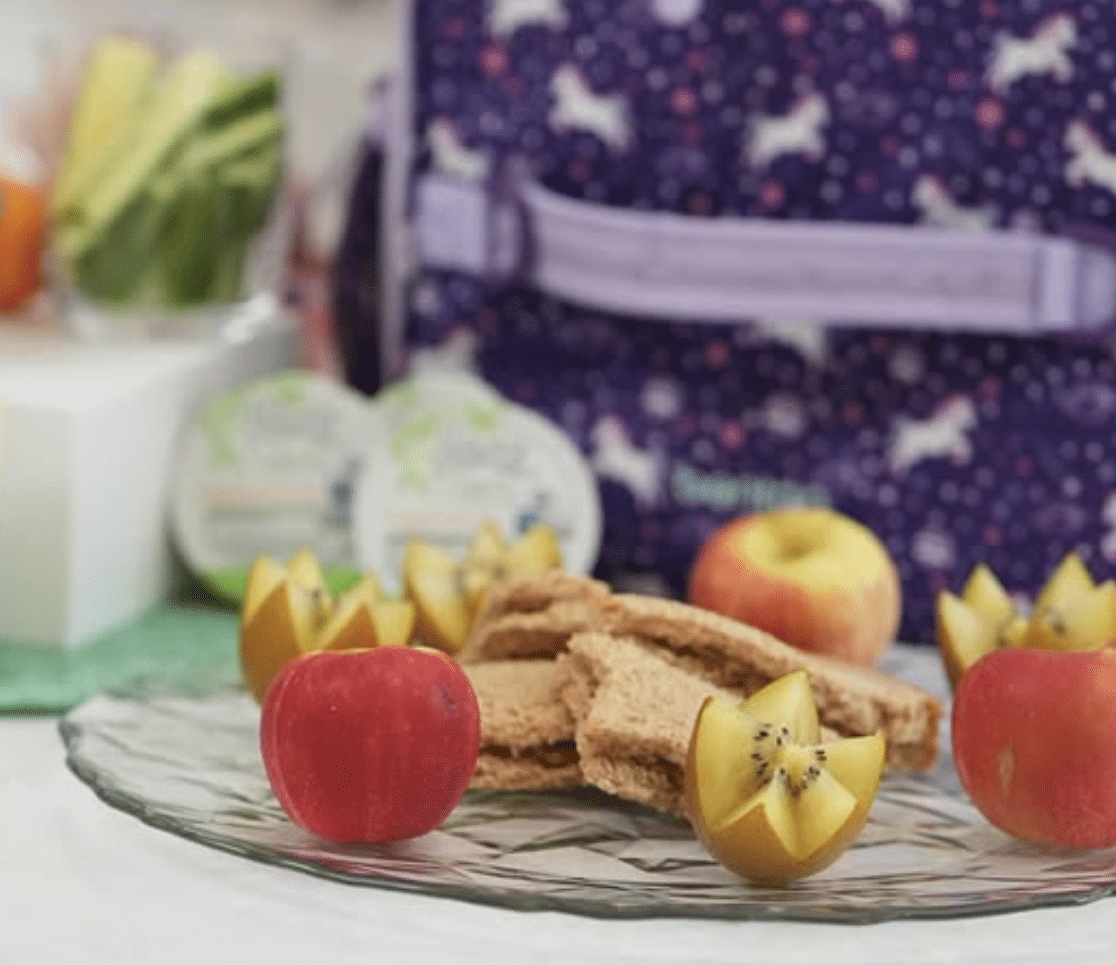
How can you add more berries to your lunchbox? Most fruits, like kiwis and strawberries, are great to cut up and enjoy on their own. You can also sprinkle a few of these flavor-packed nutrient powerhouses on top of yogurt or kefir for an extra boost. I suggest also storing some frozen berries in your freezer for later. They make a perfect addition to a smoothie (perfect for busy parents on the go!).
2. Cruciferous Vegetables
Cruciferous vegetables are a diverse group of plants that belong to the Brassica family. They include veggies like Brussels sprouts, cabbage, cauliflower, broccoli, and turnips.[4] They’re at the top of my list because of their high nutrient content. They’re especially rich in vitamins C, E, K, folate, and minerals like potassium and calcium. But here’s what makes them so special for your gut:
- High Fiber Content: You guessed it, cruciferous vegetables are a good source of dietary fiber! Fiber supports digestive health by promoting regular bowel movements and feeding the beneficial bacteria in your gut.
- Nutrient Density: These veggies are also packed with vitamins, minerals, and antioxidants, which support overall health and contribute to a balanced and diverse gut microbiome. These nutrients play a role in maintaining the integrity of your gastrointestinal tract and supporting the growth of beneficial bacteria.
- Antioxidants: Cruciferous vegetables’ high antioxidant potential also helps combat oxidative stress and inflammation in the gut. Chronic inflammation in the gut can contribute to various digestive issues, and consuming anti-inflammatory foods helps maintain a healthier gut environment.
- Glucosinolates: Lastly, cruciferous veggies contain glucosinolates, including sulforaphane, which researchers believe have anti-inflammatory properties. They may even help in the prevention and treatment of multiple chronic diseases.[8][9]
How can you add more cruciferous veggies to your lunchbox? Make a colorful pinwheel sandwich for your kids with a layer of cream cheese or hummus on a whole wheat tortilla topped with thinly sliced cruciferous veggies like broccoli slaw or shredded cabbage. Roll the tortilla into bite-sized pieces for a fun, colorful, easy-to-eat lunch. I also enjoy tossing kale leaves in the oven for a delicious kale chip snack! This strategy works for other delicious veggies, too.
3. Fermented Foods
Fermented foods, like sauerkraut and kimchi, come loaded with friendly bacteria called probiotics. These probiotics join the trillions of other microbes in your gut, helping create a healthy and happy microbiome. Plus, they come with a few other benefits as well:
- Probiotics: These bacteria are crucial in maintaining a healthy balance in your gut microbiota. Probiotics can help support the growth of beneficial bacteria, prevent the overpopulation of harmful bacteria, and contribute to a diverse and balanced microbial community in your gut.
- Improved Digestion: The probiotics in fermented foods produce enzymes that help break down food into easy-to-absorb pieces.[5] It’s like having a team of tiny helpers right inside your belly!
- Enhanced Nutrient Absorption: These enzymes can also help break down complex molecules into simpler forms, making it easier for your intestines to absorb nutrients. For example, they can help break down compounds called phytates, which often block the absorption of good nutrients like iron, zinc, and calcium. Fermented foods help remove these barriers so you get more of the nutrients you need.[10]
- Support for the Immune System: A significant portion of the immune system is located in your gut. Probiotics from fermented foods interact with the immune cells in your gut, helping to regulate and enhance your immune response. This is why a healthy gut can help improve your immune function.[2][5]
- Production of Short-Chain Fatty Acids (SCFAs): During fermentation, beneficial bacteria produce short-chain fatty acids (SCFAs), such as butyrate, acetate, and propionate. SCFAs play a key role in maintaining the health of your intestinal lining, providing a source of energy for colon cells, and contributing to an anti-inflammatory environment in your gut.[2][11]
How can you add more fermented foods to your lunchbox? Fermented foods like kefir, sauerkraut, and kimchi make excellent additions to your kid’s sandwiches. They can be a fun and tasty way to introduce gut-healthy ingredients!
4. Whole Grains
Packed with essential vitamins, minerals, and antioxidants, whole grains are a key food group for nourishing your body and supporting your gut. Here’s how you can enhance your digestion and boost gut health with these nutrient-rich superheroes:
- Dietary Fiber Content: Whole grains are the ultimate source of dietary fiber. Both soluble and insoluble fiber offer a dynamic duo for your well-being. Soluble fiber reduces cholesterol and stabilizes blood sugar, while insoluble fiber keeps things moving smoothly in your digestive tract. The fiber in whole grains also serves as a prebiotic, providing a food source for those beneficial gut bacteria.
- Short-Chain Fatty Acid (SCFA) Production: When gut bacteria get to work digesting whole grains and other high-fiber foods, they produce short-chain fatty acids (SCFAs) like butyrate, acetate, and propionate. SCFAs can help strengthen and protect the intestinal lining of your gut, keeping it in tip-top shape. Not only that, but they can also work their magic against inflammation, providing you with much-needed relief.[11]
- Blood Sugar Regulation: Whole grains, including oats, have a lower glycemic index than refined grains. This means your body digests them slowly, leading to a gradual release of glucose into the bloodstream. As I’ve mentioned, stable blood sugar levels are important for your health and gut happiness.[7]
How can you add more whole grains to your lunchbox? The easiest way to add more whole grains to your kid’s lunch is through 100% whole wheat bread! Other high-fiber additions include whole-wheat pasta, oatmeal energy balls, popcorn, granola, or a thermos of soup featuring barley or farro.
5. Nuts & Seeds
Not only do they make a great snack, but nuts and seeds are also overflowing with flavor and nutrition to support your gut. Plus, they’re an excellent source of plant protein to keep you feeling full and energized for longer. Here’s why they make an excellent sidekick for your gut:
- Rich in Fiber: Like other food items on this list, nuts and seeds are fantastic soluble and insoluble fiber sources. Fiber adds volume to your stool, keeps your bowels moving smoothly, and plays a crucial role in maintaining a healthy digestive system. The soluble fiber in seeds like chia seeds can also assist in water absorption and help you feel satisfied for longer.
- Healthy Fats: Many nuts and seeds, like flaxseeds and chia seeds, are rich in alpha-linolenic acid (ALA), a type of omega-3 fatty acid. Omega-3s have anti-inflammatory properties and may help modulate the gut microbiota, contributing to a balanced and healthier gut environment.[2][3]
- Mucilage Content: Chia seeds, in particular, have a unique quality called mucilage. When mixed with water, chia seeds form a gel-like substance. (Grab a few chia seeds and put them in water to see what I mean!) This mucilaginous property can help soothe and protect the lining of your digestive tract.
- High Protein: Many nuts and seeds also pack a pretty powerful punch of protein for their tiny size. How does this support your gut? Protein aids in the digestive process. And the more you can satisfy your cravings with healthy high-protein foods like nuts and seeds, the less likely you are to consume high-sugar or unhealthy fatty foods. Not only that, but nuts and seeds also help regulate blood sugar levels, slowing glucose absorption.[2][7] A win-win for your digestion!
How can you add more nuts and seeds to your lunchbox? Add a handful of walnuts, almonds, pecans, chia seeds, or flax seeds with some raisins and dark chocolate for an easy, gut-healthy snack. Or pile them on top of your kid’s yogurt! Many of these nuts also come in spreadable forms, like peanut or cashew butter, that you can easily smear on a piece of whole-grain toast (or on fruit like this banana boat recipe!). Just make sure to check for any kid allergen regulations with the school before adding to the lunchbox since many schools have a no peanut or tree nut policy.
6. Legumes
Legumes are an affordable, sustainable, and nutritious source of plant-based protein. Including legumes in your diet could also help contribute to a more gut-friendly eating pattern.[2] Here’s why they make such great partners for gut health:
- Rich in Dietary Fiber: Like many other items on this list, beans and other legumes are known for their fiber content. The soluble fiber in legumes also acts as a prebiotic, providing a food source for those beneficial probiotic bacteria in your gut.
- Slow Digestion & Blood Sugar Regulation: The combination of fiber and complex carbohydrates in legumes slows down the digestion and absorption of nutrients. This helps regulate blood sugar levels, providing sustained energy and supporting overall metabolic health.[7]
- Nutrient Density: Legumes are rich in essential nutrients, including protein, vitamins (such as folate and B vitamins), minerals (such as iron and magnesium), and antioxidants. These nutrients go a long way for your health and the health of your gut.[2]
- Low in Fat: Legumes are generally low in saturated fat and contain healthy monounsaturated and polyunsaturated fats. A diet low in saturated fat is associated with better gut health and a reduced risk of chronic diseases.
How can you add more legumes to your lunchbox? There is a lengthy list of legumes for you to choose from! My high-fiber lunchbox favorites include edamame, chickpeas, and black beans. Kids enjoy popping peas out of a pod and are generally curious about where food comes from, so don’t be afraid to try something new!
7. Prunes
Prunes, or dried plums, are often considered a superfood due to their dense nutritional profile and numerous potential health benefits. Here are some reasons why prunes earn this title:
- Rich in Nutrients: Prunes are packed with essential vitamins and minerals, including vitamins K, A, C, and several B vitamins. They are also a good source of potassium, magnesium, iron, and manganese, which are essential for maintaining overall health.
- High in Fiber: A prune contains around half a gram of fiber. This means a snack of around five prunes can add almost 3g of fiber to your diet. So prunes can go a long way in supporting your fiber intake! This helps promote digestive health by aiding regular bowel movements and supporting a healthy gut microbiome.
- Natural Laxative Effect: Prunes contain sorbitol, a natural sugar alcohol with a mild laxative effect. Plus, don’t forget they are high fiber! This makes prunes particularly effective in helping relieve constipation, especially in children and older adults.
How can you add more prunes to your lunchbox? Prunes make a great addition to homemade energy bites or oatmeal bars. They’re sticky, so they help hold the ingredients together. Or add chopped prunes to your kid’s trail mix, peanut butter sandwich, yogurt, or fruit slices.
Get Your Free Gut-Friendly Foods Download
Next time you’re grocery shopping, add these nutrient-dense gut health superstars to your cart for a fun, delicious, and healthy culinary adventure! Just remember that everyone’s nutritional needs vary, so it’s important to check in with a healthcare professional or a registered dietitian for personalized dietary advice.
If you’d like a downloadable and print-friendly version of this list, you can take this gut guidance on the go with my free gut-friendly foods download. This list includes several of the gut-friendly superfoods mentioned above, plus other digestive health superheroes, in an easy-to-print format. Plus, I know that not everyone can eat fresh foods every day. So, as part of this free download, you’ll also get my list of dietitian-approved pantry snacks and beverages.
This article was written by Renee Korczak, Ph.D., RDN, CSSD, LD. Dr. Korczak is an advanced practice registered dietitian nutritionist with expertise in digestive health. Renee has her board specialty in sports dietetics and is an active voice in the sports nutrition and gut health space. Her research focuses on the intersection of gut health and sports nutrition. Outside of work, Renee enjoys time with her two children and husband. She enjoys travel, cooking, and fitness.
Sources
- Hassoun, A., Harastani, R., Jagtap, S., Trollman, H., García-García, G., Awad, N. M. H., Zannou, O., Galanakis, C. M., Gökşen, G., Nayik, G. A., Riaz, A., & Maqsood, S. (2022). Truths and myths about superfoods in the era of the COVID-19 pandemic. Critical Reviews in Food Science and Nutrition, 1–18. https://doi.org/10.1080/10408398.2022.2106939
- Cobos, Á., & Dı́Az, O. (2023). ‘Superfoods’: Reliability of the information for consumers available on the web. Foods, 12(3), 546. https://doi.org/10.3390/foods12030546
- Barsby, J. P., Cowley, J. M., Leemaqz, S., Grieger, J. A., McKeating, D. R., Perkins, A. V., Bastian, S. E. P., Burton, R. A., & Bianco‐Miotto, T. (2021). Nutritional properties of selected superfood extracts and their potential health benefits. PeerJ, 9, e12525. https://doi.org/10.7717/peerj.12525
- McManus, K. D. (2022, October 3). 10 superfoods to boost a healthy diet. Harvard Health. https://www.health.harvard.edu/blog/10-superfoods-to-boost-a-healthy-diet-2018082914463
- Proestos, C. (2018a). Superfoods: Recent Data on their Role in the Prevention of Diseases. Current Research in Nutrition and Food Science, 6(3), 576–593. https://doi.org/10.12944/crnfsj.6.3.02
- Pap, N., Fidelis, M., Azevedo, L., Carmo, M. a. V. D., Wang, D., Mocan, A., Pereira, E. P. R., Xavier-Santos, D., Sant’Ana, A. S., Yang, B., & Granato, D. (2021). Berry polyphenols and human health: evidence of antioxidant, anti-inflammatory, microbiota modulation, and cell-protecting effects. Current Opinion in Food Science, 42, 167–186. https://doi.org/10.1016/j.cofs.2021.06.003
- Li, W., Stirling, K. B., Yang, J., & Zhang, L. (2020). Gut microbiota and diabetes: From correlation to causality and mechanism. World Journal of Diabetes, 11(7), 293–308. https://doi.org/10.4239/wjd.v11.i7.293
- Wang, R., Halimulati, M., Huang, X., Ma, Y., Li, L., & Zhang, Z. (2023). Sulforaphane-driven reprogramming of gut microbiome and metabolome ameliorates the progression of hyperuricemia. Journal of Advanced Research, 52, 19–28. https://doi.org/10.1016/j.jare.2022.11.003
- Connolly, E., Sim, M., Travica, N., Marx, W., Beasy, G., Lynch, G. S., Bondonno, C. P., Lewis, J. R., Hodgson, J. M., & Blekkenhorst, L. C. (2021). Glucosinolates from cruciferous vegetables and their potential role in chronic disease: Investigating the preclinical and clinical evidence. Frontiers in Pharmacology, 12. https://doi.org/10.3389/fphar.2021.767975
- Gupta, R. K., Gangoliya, S. S., & Singh, N. K. (2013). Reduction of phytic acid and enhancement of bioavailable micronutrients in food grains. Journal of Food Science and Technology, 52(2), 676–684. https://doi.org/10.1007/s13197-013-0978-y
- Xiong, R., Zhou, D., Wu, S., Huang, S., Saimaiti, A., Yang, Z., Shang, A., Zhao, C., Gan, R., & Li, H. B. (2022). Health benefits and side effects of Short-Chain fatty acids. Foods, 11(18), 2863. https://doi.org/10.3390/foods11182863
- Lee, D. Y., Li, H., Lim, H. J., Lee, H. J., Jeon, R., & Ryu, J. (2012). Anti-Inflammatory Activity of Sulfur-Containing Compounds from Garlic. Journal of Medicinal Food, 15(11), 992–999. https://doi.org/10.1089/jmf.2012.2275
- Kothari, D., Lee, W., & Kim, S. (2020). Allium flavonols: health benefits, molecular targets, and bioavailability. Antioxidants, 9(9), 888. https://doi.org/10.3390/antiox9090888