As a working mother, I know first-hand how difficult it can be to pack in all the essential nutrients that your growing children need so desperately. On some days, my girls will eat everything I offer and on other days, I’m completely defeated in my own kitchen! On days when I am defeated, I ask myself what nutrients they got from the foods and beverages they consumed and what nutrients were neglected. Dietary fiber is one of those under-consumed nutrients in the American diet.
To help put this into perspective, I looked at data from the Feeding Infants and Toddlers Study (FITS) which is the largest U.S. conducted dietary intake study. FITS studies what infants and toddlers eat daily to provide the public with a snapshot of infant and toddler feeding patterns. FITS described that only 3.2%, 9.1%, and 7.5% of 12-23.9, 24-35.9- and 36-47.9-month-old children, respectively, were meeting adequate intake recommendations for dietary fiber. Low intakes could be due to underconsumption of fiber-rich foods, access to fresh fruits and vegetables, frequency of fruit and vegetable offerings at home and in school, and the number of whole grains consumed. While there is no magic bullet to help fill the fiber gap, it is our job to think about what foods can practically fit into our children’s diets to help them reap the benefits of fiber in their diet.
Fiber plays a significant role in overall health, especially gut health. Here are some key reasons why fiber is good for our children:
The Importance of Fiber for Kids
1. Digestive Health
Generally speaking, fiber helps support a healthy digestive system. Fiber adds bulk to your child’s stool and promotes regular bowel movements. This is especially crucial for young children who are potty training since the stool will pass easier for them, making potty time a success! Adding a variety of fibrous foods to your child’s diet will also help with microbial diversity and support a healthy microbiome. Fiber, particularly soluble fibers, can interact positively with bacteria in the gut. Bacteria can feed on fiber, resulting in other beneficial bacteria and metabolites.
2. Weight Management
In my eyes, childhood obesity is still a growing concern. Consuming adequate amounts of fiber in the diet can help your child feel full and satisfied. This may help reduce overeating and weight gain in the long run.
3. Growth and Development
Fiber-rich foods are often packed with other essential nutrients, such as vitamins, minerals, and antioxidants. These nutrients are vital for your child’s growth, development, and overall health.
4. Blood Sugar
Fiber can help slow down the absorption of sugar into the bloodstream, helping to regulate blood sugar levels. Maintaining healthy blood sugar levels early on is important for diabetes prevention.
5. Heart Health
A diet rich in fiber can help reduce cholesterol levels, lowering the risk of heart disease. It supports healthy blood pressure and can reduce inflammation, which is a precursor to many heart-related issues.
Incorporating Fiber into Your Child’s Diet
Getting your child to consume more fiber doesn’t have to be a challenge. Here are some practical tips to help you introduce fiber-rich foods into their diet:
1. Start Early
Introduce fiber-rich foods early in your child’s life. Fruits and vegetables make excellent first foods for babies, setting the stage for a lifetime of healthy eating.
2. Variety is Key
Offer a variety of fiber-rich foods, including whole grains, fruits, vegetables, legumes (beans and lentils), and nuts.
3. Smoothies
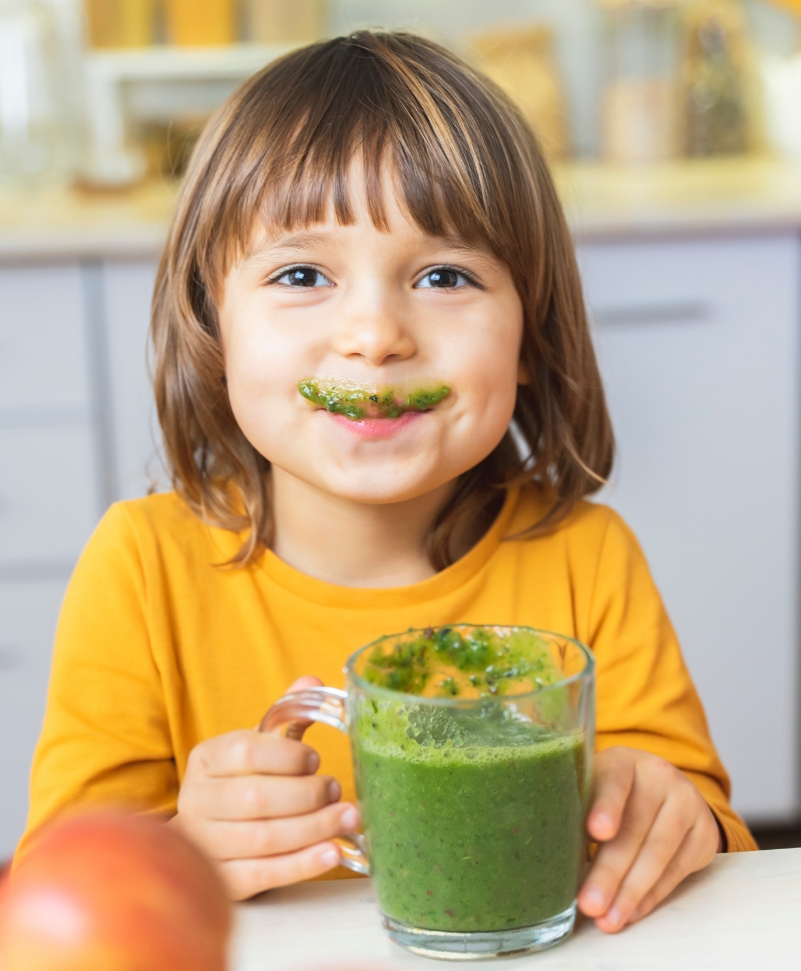
Blend fruits and vegetables into tasty and nutritious smoothies. Add yogurt or milk for extra flavor, calories, and protein.
4. Fiber-Rich Snacks
Keep healthy snacks, like carrot sticks, apple slices, or whole-grain crackers, readily available for quick munching. You can even add healthy dips such as peanut butter, hummus, or homemade ranch dressing with herbs.
5. Creative Cooking
Experiment with recipes that incorporate fiber-rich ingredients. Sneak vegetables into spaghetti sauce or muffins and use whole grains in your baking. For example, you can:
- Boil pasta in bone broth
- Add pureed veggies to mac n’ cheese
- Blend beets into oat pancake batter to make them pink
- Make a fun on-the-go snack like this Blueberry Oat Bites recipe!
6. Homemade Meals
Preparing meals at home allows you to control the ingredients and incorporate fiber-rich foods. Get your child involved in meal preparation – it can be a fun family activity that they will enjoy.
7. Positive Role Modeling
Children are more likely to adopt healthy eating habits if they see their parents enjoying the same foods. Be a role model for your child by eating a fiber-rich diet and a plate full of color.
Importance of Fiber for Kids: The Bottom Line
Fiber is a vital component of your child’s diet and plays a significant role in their overall health and well-being. Understanding the importance of fiber, its benefits, and how to incorporate it into your child’s meals can help you and your kids develop healthy eating habits that will last a lifetime. Prioritizing fiber in your child’s diet is a proactive step toward raising a healthy family.
Sources
- Finn K, Jacquier E, Kineman B, Storm H and Carvalho R. Nutrient intakes and sources of fiber among children with low and high dietary fiber intake: the 2016 feeding infants and toddlers study (FITS), a cross-sectional survey. BMC Pediatrics 2019; 19”446.